Stonehouse is one of those places to visit in the Cotswolds that often flies under the radar, yet offers a genuinely authentic experience of life on the edge of the Cotswolds. While it may not have the same level of fame as some of the region’s picture-perfect villages, Stonehouse has its own quiet charm, combining history, countryside access, and a strong sense of local character.
For visitors looking to explore beyond the usual tourist hotspots, Stonehouse provides a refreshing alternative. It’s a place where you can slow down, enjoy the surroundings, and experience a more everyday side of the Cotswolds while still being within easy reach of some of the region’s most popular destinations.
Where Is Stonehouse?
Stonehouse is located in Gloucestershire, just a few miles west of Stroud and on the southern edge of the Cotswolds. Its position makes it particularly convenient for exploring both the Cotswolds Area of Outstanding Natural Beauty and the wider Severn Vale.
The town benefits from excellent transport links, including a direct railway line, making it an accessible destination whether you’re travelling from nearby towns or further afield.
Because of its location, Stonehouse works well as a base for exploring nearby countryside, market towns, and some of the Cotswolds’ best walking routes.
A Brief History of Stonehouse
Stonehouse has a long and interesting history, with roots stretching back centuries. Like many settlements in this part of Gloucestershire, it developed around agriculture, wool, and local industry.
The town was particularly known for its cloth-making heritage, which played a significant role in the wider Stroud Valleys’ reputation as a centre for wool production during the medieval and early modern periods.
Evidence of Stonehouse’s past can still be seen in its historic buildings, traditional layout, and the surrounding landscape. While it has grown and evolved over time, it has retained much of its original character.
Exploring Stonehouse Town
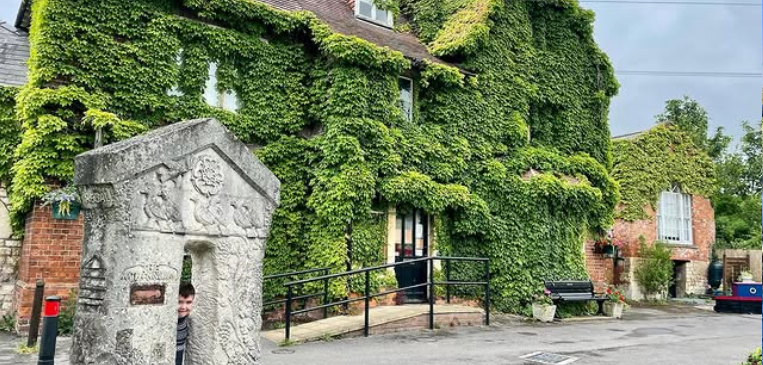
At first glance, Stonehouse might seem modest compared to some of the more famous Cotswold destinations, but that’s part of its appeal. It feels lived-in and genuine, rather than designed purely for visitors.
The town centre offers a mix of independent shops, cafés, and everyday amenities. It’s a pleasant place for a wander, particularly if you enjoy discovering quieter locations that haven’t been overly commercialised.
You’ll find a selection of local businesses, friendly cafés, and places to stop for a relaxed drink or bite to eat. The atmosphere is welcoming and unhurried, making it ideal for a slower-paced visit.
Countryside and Walking Around Stonehouse
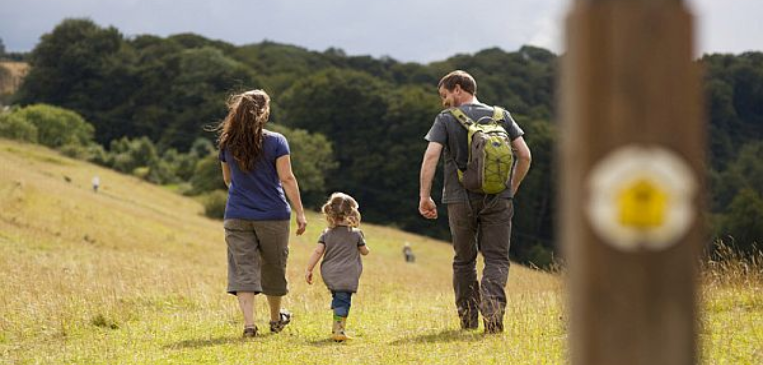
One of the biggest draws of Stonehouse is its easy access to the surrounding countryside. The town sits close to the beautiful Stroud Valleys, an area known for its rolling hills, woodland, and scenic walking routes.
From Stonehouse, you can quickly reach a variety of footpaths and trails that take you into classic Cotswold landscapes. Whether you’re looking for a gentle stroll or a longer countryside walk, there are plenty of options to choose from.
The nearby Cotswold Way offers some of the best walking in the region, with panoramic views and peaceful surroundings. This makes Stonehouse a great choice for walkers and outdoor enthusiasts.
The Stroudwater Canal
One of Stonehouse’s most notable features is its connection to the Stroudwater Canal. This historic canal once played an important role in transporting goods during the industrial period.
Today, it has been partially restored and provides a peaceful setting for walks and wildlife spotting. The towpaths are ideal for a leisurely stroll, and the canal itself adds to the area’s charm.
Walking along the canal offers a different perspective of the landscape, with calm waters, greenery, and a sense of history running through the area.
Nearby Stroud
Stonehouse is just a short distance from Stroud, one of the most vibrant and creative towns in the Cotswolds.
Stroud is well known for its independent spirit, arts scene, and award-winning farmers’ market. Visiting Stroud alongside Stonehouse gives you a great contrast between a lively market town and a quieter local setting.
The town is also home to a variety of shops, galleries, cafés, and restaurants, making it a worthwhile addition to your itinerary.
Places to Visit Near Stonehouse
Stonehouse is ideally positioned for exploring some of the Cotswolds’ most popular and scenic locations.
Within a short drive, you can reach charming villages, historic towns, and beautiful countryside.
Painswick is often described as the “Queen of the Cotswolds” and is known for its elegant buildings and famous churchyard filled with yew trees. It’s a lovely place to wander and soak up classic Cotswold scenery.
Minchinhampton offers wide open common land with stunning views, as well as a peaceful village atmosphere.
Further afield, you can explore destinations such as Tetbury, known for its antique shops and royal connections, or visit Cirencester, often referred to as the capital of the Cotswolds.
These nearby locations make Stonehouse a great base for exploring a wide range of experiences across the region.
Where to Eat and Drink in Stonehouse
Stonehouse offers a good selection of places to eat and drink, with a focus on local and independent businesses.
You’ll find traditional pubs serving classic British dishes, as well as cafés and takeaways offering a range of options. Many of the pubs have a relaxed, welcoming atmosphere, making them perfect for a casual meal or drink.
Because of its proximity to Stroud, you also have easy access to a wider variety of dining options just a short distance away.
Whether you’re looking for a hearty pub lunch, a quick coffee, or a relaxed evening meal, there are plenty of choices available.
Shopping and Local Life
Shopping in Stonehouse is more about everyday convenience and local character than high-end retail. This is part of what gives the town its authentic feel.
You’ll find independent shops and local services that reflect the needs of the community. For a wider shopping experience, nearby towns like Stroud and Gloucester offer more variety.
The town’s connection to local life makes it a good place to experience the Cotswolds from a different perspective — one that feels less like a tourist destination and more like a real working town.
When Is the Best Time to Visit Stonehouse?
Stonehouse can be enjoyed throughout the year, with each season offering something different.
Spring and summer are ideal for exploring the countryside, walking along the canal, and enjoying the surrounding landscapes.
Autumn brings beautiful colours to the hills and valleys, making it a great time for photography and scenic walks.
Winter offers a quieter atmosphere, with cosy pubs and a slower pace that can be particularly appealing if you’re looking to escape busier destinations.
Because Stonehouse is less crowded than some of the more famous Cotswold villages, it’s a good option at any time of year.
Is Stonehouse Worth Visiting?
Stonehouse may not be the first place that comes to mind when planning a Cotswolds trip, but that’s exactly what makes it special.
It offers a more relaxed, authentic experience, with easy access to beautiful countryside, nearby towns, and a rich sense of local history.
For visitors who want to explore beyond the typical tourist trail, Stonehouse provides a different perspective on the Cotswolds — one that feels genuine, welcoming, and refreshingly unspoilt.
Final Thoughts
Stonehouse is a quietly appealing destination that rewards those who take the time to visit. While it may not have the postcard-perfect reputation of some nearby villages, it offers something just as valuable: authenticity.
With its combination of history, countryside access, and convenient location, it’s an excellent base for exploring the southern Cotswolds.
Whether you’re passing through, staying nearby, or looking for somewhere a little different to explore, Stonehouse is well worth adding to your itinerary.
“Stonehouse ended up being such a lovely, relaxed day out with my son. We enjoyed wandering along the canal, taking in the countryside, and just having the space to slow things down a bit — it felt a world away from the busier Cotswold spots. It’s the kind of place where you can keep things simple, enjoy being outdoors, and spend some proper quality time together.”