
The Cotswolds is far more than a landscape of postcard-perfect villages and gentle hills — it is one of England’s most historically rich regions. Beneath its idyllic scenery lies a deep and varied past, stretching from Roman Britain to the medieval era and beyond. Visitors can explore everything from ancient Roman sites like Chedworth Roman Villa to grand landmarks such as Sudeley Castle, alongside centuries-old churches, manor houses, and archaeological treasures scattered across the countryside.
For those drawn to architecture, heritage, or the stories behind the scenery, the Cotswolds offers an immersive journey through time. Each historic site reveals a different chapter of the region’s past, allowing visitors not just to see its beauty, but to understand the people and events that shaped it over centuries.
You can also combine these locations with our guide to things to do in the Cotswolds to build a well-rounded itinerary.
Top Historic Sites in the Cotswolds
1. Sudeley Castle
Location: Winchcombe, Gloucestershire
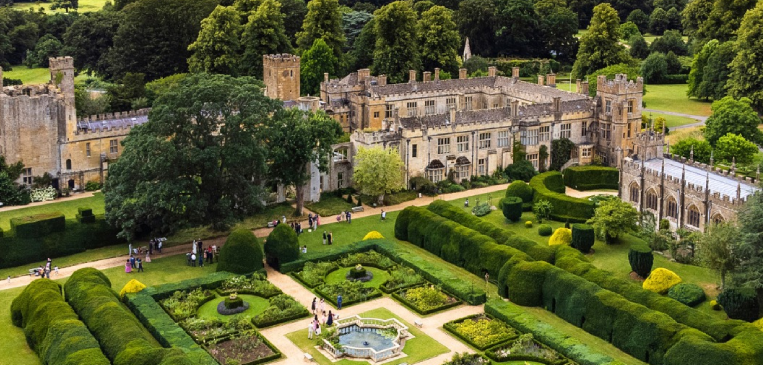
Sudeley Castle is one of the Cotswolds’ most remarkable historic landmarks, steeped in centuries of royal and political history. Located near Winchcombe, the castle has played a role in some of England’s most significant periods, from the Wars of the Roses to the Tudor era. It is perhaps best known as the final resting place of Queen Katherine Parr, the last wife of Henry VIII, whose tomb can be found within the beautiful St Mary’s Church in the castle grounds. Surrounded by award-winning gardens and set against the rolling Cotswold hills, Sudeley Castle offers visitors a rich blend of history, architecture, and natural beauty, making it a standout destination in the region.
2. Cirencester (Roman Corinium)
Location: Cirencester
Cirencester, known in Roman times as Corinium, was once the second-largest town in Roman Britain after London and an important centre of administration and trade. Its wealth and status are reflected in the impressive remains discovered there, including extensive mosaics, villas, and the remains of a large amphitheatre on the outskirts of the town. Today, much of this Roman heritage can be explored through the Corinium Museum, which houses one of the most significant collections of Romano-British artefacts in the country. Walking through modern Cirencester, visitors can still trace the layout of the ancient town and experience the enduring legacy of its Roman past woven into the fabric of the present-day Cotswolds.
3. Broadway Tower
Location: Near Broadway
Broadway Tower is one of the most distinctive landmarks in the Cotswolds, standing proudly atop Broadway Hill, the second-highest point in the region. Built in the late 18th century, this striking folly was designed by renowned architect James Wyatt for Lady Coventry and was intended as both a decorative feature and a viewpoint. From its summit, visitors can enjoy sweeping views across as many as sixteen counties on a clear day, making it one of the finest vantage points in England. Over the years, the tower has also served a variety of purposes, including as a retreat for artists and a Royal Observer Corps station during the Cold War, adding further layers to its fascinating history.
4. Hailes Abbey
Location: Near Winchcombe
Hailes Abbey is a peaceful and atmospheric set of ruins in the Cotswolds, offering a glimpse into the region’s medieval religious life. Founded in 1246 by Richard, Earl of Cornwall, the abbey became an important pilgrimage site after acquiring a relic believed to contain the blood of Christ. Pilgrims once travelled from across the country to visit, bringing wealth and significance to the abbey during its peak. Although much of the structure was destroyed during the Dissolution of the Monasteries under Henry VIII, the surviving stone remains still convey a strong sense of its former scale and importance. Today, visitors can explore the ruins and nearby museum, which helps bring the abbey’s fascinating history to life.
5. Snowshill Manor
Location: Snowshill, Gloucestershire
Snowshill Manor is a unique and captivating historic house in the Cotswolds, best known for its extraordinary collection of objects amassed by its owner, Charles Paget Wade. Rather than a traditional family home, the manor was transformed into a treasure house filled with thousands of items, ranging from samurai armour and musical instruments to clocks, toys, and textiles from around the world. Wade was less interested in comfort than in craftsmanship and design, and he arranged each room to display his collection as a series of carefully curated exhibits. Set within beautifully designed Arts and Crafts gardens, Snowshill Manor offers visitors a fascinating insight into one man’s eclectic vision and passion for collecting.
6. Stow-on-the-Wold Market Square
Location: Stow-on-the-Wold
Stow-on-the-Wold is one of the most historic market towns in the Cotswolds, known for its rich heritage and elevated position on an ancient crossroads. Once a thriving centre for the medieval wool trade, the town grew in prosperity and became an important meeting point for merchants and traders. Its large market square, one of the oldest in England, still reflects this legacy and is surrounded by charming stone buildings, traditional inns, and antique shops. Stow also played a role in the English Civil War, with a notable battle fought nearby in 1646. Today, it retains a timeless atmosphere, where layers of history are visible in its architecture, streets, and enduring market town character.
7. Painswick Church & Churchyard
Location: Painswick
Painswick Church and its churchyard form one of the most distinctive and memorable historic sites in the Cotswolds. St Mary’s Church, rebuilt in the 18th century on medieval foundations, stands at the heart of the village with its elegant tower and finely detailed stonework. Surrounding it is the famous churchyard, home to 99 neatly clipped yew trees, each carefully shaped into rounded forms that create a striking and almost surreal landscape. Local legend claims that a hundredth tree will never grow, adding a touch of folklore to the setting. With far-reaching views over the Painswick Valley and a peaceful, timeless atmosphere, the church and its grounds offer a unique blend of history, beauty, and tradition.
8. Chipping Campden High Street
Location: Chipping Campden
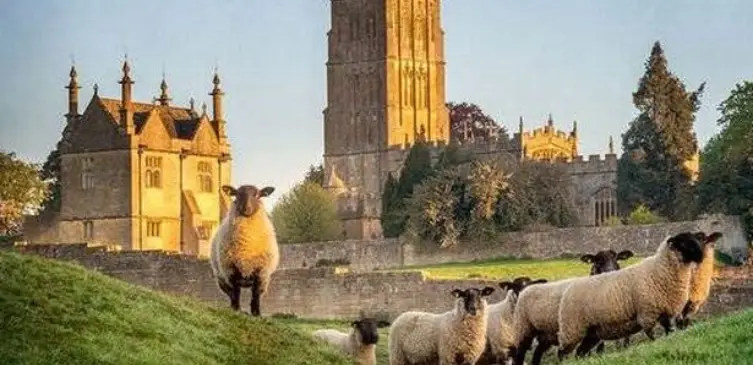
Chipping Campden is one of the most elegant and historically rich towns in the Cotswolds, renowned for its beautifully preserved high street lined with honey-coloured limestone buildings. The town flourished during the medieval wool trade, and its prosperity is reflected in landmarks such as the 17th-century Market Hall, built by Sir Baptist Hicks, which still stands as a symbol of its commercial heritage. St James’ Church, with its impressive perpendicular architecture, further highlights the town’s historic significance. In the early 20th century, Chipping Campden also became a centre for the Arts and Crafts movement, attracting designers and craftsmen who helped shape its cultural legacy. Today, it remains a charming destination where history, architecture, and tradition are seamlessly woven together.
9. Tetbury Market House
Location: Tetbury
Tetbury Market House is a striking historic landmark at the heart of the town, reflecting Tetbury’s importance as a thriving market centre during the 17th century. Built in 1655, the Market House originally served as a sheltered space where traders could sell goods, particularly wool, which was central to the town’s prosperity. Its distinctive design, with stone pillars supporting an open arcaded ground floor and a room above, made it both practical and visually impressive. Over the centuries, it has been used for a variety of purposes, including as a meeting place and even a jail. Today, Tetbury Market House remains a focal point of the town, standing as a reminder of its rich commercial and architectural heritage.
10. Burford High Street
Location: Burford
Burford is often described as the “gateway to the Cotswolds,” and it is easy to see why, with its steep high street leading down to the River Windrush and lined with centuries-old stone buildings. The town has a rich history rooted in the medieval wool trade, which brought wealth and shaped much of its architecture, from grand townhouses to traditional inns. At the heart of Burford stands the impressive Church of St John the Baptist, one of the finest medieval churches in the region, reflecting the town’s past prosperity. Walking through Burford today feels like stepping back in time, with its historic charm, independent shops, and well-preserved character offering a vivid glimpse into the Cotswolds’ heritage.
11. Bibury & Arlington Row
Location: Bibury
Bibury is often described as one of the most beautiful villages in England, and its charm is perfectly captured in Arlington Row, a picturesque line of weavers’ cottages dating back to the 14th century. Originally built as a monastic wool store and later converted into homes, the cottages reflect the village’s deep roots in the wool trade that once defined much of the Cotswolds’ prosperity. With their steeply pitched roofs, honey-coloured stone, and idyllic setting beside the River Coln, Arlington Row has become one of the most photographed scenes in the country. Together, Bibury and Arlington Row offer a timeless glimpse into rural English life, where history and natural beauty come together in an unmistakably iconic setting.
12. Berkeley Castle (Near the Cotswolds)
Location: Gloucestershire
Berkeley Castle is one of the oldest continuously inhabited castles in England, with a history spanning nearly 900 years. Still home to the Berkeley family, the castle has witnessed some of the most dramatic events in English history, most notably the imprisonment and murder of King Edward II in 1327. Its imposing stone walls, battlements, and well-preserved interiors offer a vivid insight into medieval life, while the surrounding gardens add to its charm. Visitors can explore grand halls, historic rooms, and exhibitions that bring the castle’s past to life, making Berkeley Castle a fascinating destination for anyone interested in England’s rich and often turbulent history.
13. Northleach Wool Church
Location: Northleach
Northleach Wool Church, officially the Church of St Peter and St Paul, is one of the finest examples of a “wool church” in England, reflecting the immense wealth generated by the medieval wool trade in the Cotswolds. Rebuilt in the 15th century, the church is renowned for its impressive Perpendicular Gothic architecture, with soaring windows, intricate stone carvings, and a grand, spacious interior that speaks to the prosperity of the town’s merchants. Financed largely by wealthy wool traders, it stands as a lasting symbol of the industry that shaped the region. Today, Northleach Wool Church remains a striking and peaceful historic site, where visitors can admire both its architectural beauty and its deep connection to the Cotswolds’ commercial past.
14. Minster Lovell Hall (Ruins)
Location: Near Burford
Minster Lovell Hall is one of the most atmospheric historic ruins in the Cotswolds, set beside the tranquil River Windrush in a quiet, secluded village. Built in the 15th century, the hall was once a grand manor belonging to the powerful Lovell family, but it fell into decline after Francis Lovell, a supporter of Richard III, disappeared following the Battle of Stoke Field in 1487. Today, the ivy-clad stone remains—arched windows, walls, and fragments of once-impressive rooms—create a hauntingly beautiful scene that hints at its former grandeur. Surrounded by peaceful countryside, the ruins offer a romantic and evocative glimpse into England’s medieval past.
15. Chedworth Roman Villa
Location: Near Cheltenham
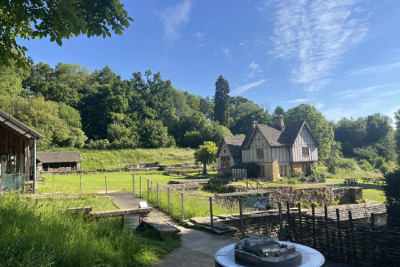
Chedworth Roman Villa is one of the finest and most complete Roman sites in Britain, offering a remarkable glimpse into life during the Roman occupation. Nestled in a quiet Cotswold valley, the villa was once a luxurious rural residence, featuring intricate mosaic floors, bathhouses, and underfloor heating systems that highlight the sophistication of Roman engineering. Today, visitors can walk through the carefully preserved remains and view some of the best-preserved mosaics in the country, while the surrounding landscape helps bring to life the setting of this once-thriving estate. Managed by the National Trust, Chedworth Roman Villa provides a fascinating and immersive connection to Britain’s ancient past.
Types of Historic Sites in the Cotswolds
The Cotswolds offers a wide range of historic sites, including:
- Roman settlements and villas
- medieval churches and market towns
- castles and fortified manor houses
- historic villages and streets
- ruins and archaeological sites
This variety allows you to explore different periods of history within a relatively small area.
How to Plan a Historic Day Out
The best way to explore historic sites in the Cotswolds is to combine a few locations in the same area. For example, you could visit Sudeley Castle, Hailes Abbey, and Winchcombe in one day, or explore Cirencester alongside nearby Roman sites.
Mixing indoor and outdoor locations can also help create a more balanced and enjoyable itinerary.
Are Historic Sites in the Cotswolds Worth Visiting?
Yes, absolutely. The Cotswolds offers a rich and varied history that adds depth to its scenic beauty. Visiting historic sites allows you to understand the region beyond its appearance and connect with its past.
They are particularly worth visiting if you are looking for:
- cultural and historical experiences
- architectural interest
- unique and educational attractions
- a deeper understanding of the region
For many visitors, these sites provide some of the most memorable moments of their trip.
Final Thoughts on Historic Sites in the Cotswolds
Historic sites in the Cotswolds offer a fascinating journey through time, from Roman Britain to the medieval period and beyond. Whether you are exploring castles, churches, or ancient ruins, there is a wealth of history to discover.
Combining these sites with the region’s natural beauty and villages creates a well-rounded and rewarding travel experience.
Frequently Asked Questions About Cotswolds Historic Sites
What are the most historic places in the Cotswolds?
Top sites include Sudeley Castle, Cirencester, Broadway Tower, and Bibury.
Are there Roman sites in the Cotswolds?
Yes, including Cirencester and Chedworth Roman Villa.
Can you visit castles in the Cotswolds?
Yes, Sudeley Castle and Berkeley Castle are among the best options.
Are historic sites suitable for families?
Many sites are family-friendly, especially castles and larger attractions.
Do you need to pay to visit historic sites?
Some sites are free, while others charge an entrance fee.