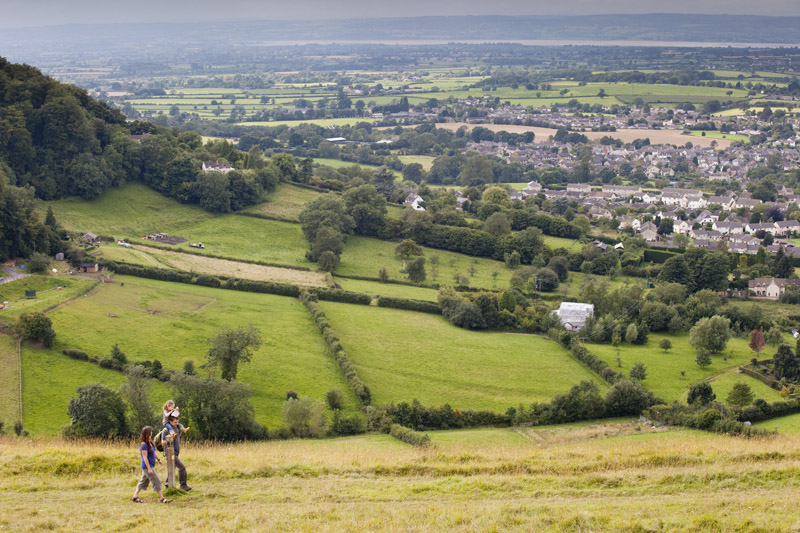
Cotswold walking guide
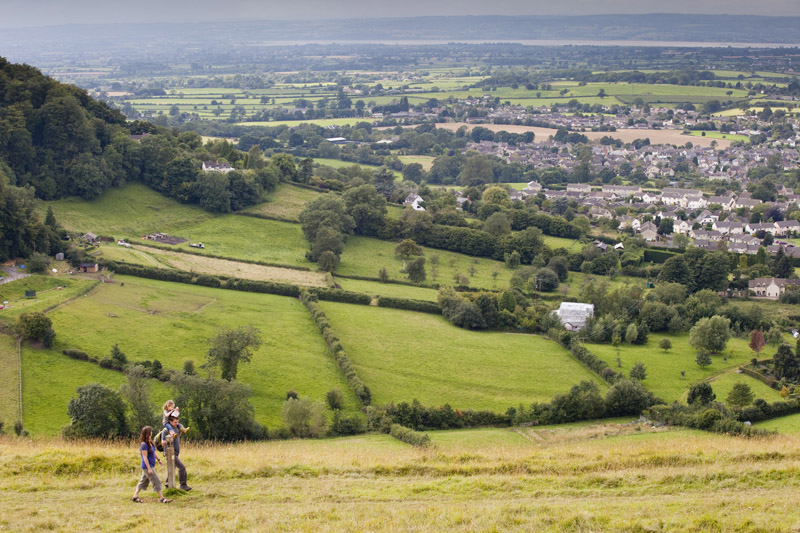
The Cotswolds is classic walking country: rolling hills, limestone villages, open commons, wooded valleys, long views and footpaths that link market towns, churches, gardens, pubs and viewpoints.
Use this guide to plan Cotswold walks that match your day, whether you want a short village stroll, a family-friendly route, a dog walk, a scenic viewpoint, a pub walk or a section of the Cotswold Way. Start with places such as Chipping Campden, Broadway, Winchcombe, Bourton-on-the-Water, Painswick and Stroud, then build the walk around views, lunch stops and nearby attractions.
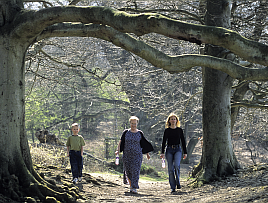
Cotswold walks at a glance
Best Cotswold walks to start with
There are thousands of footpaths across the Cotswolds, so the easiest way to choose is by base town, view, difficulty and what you want to add afterwards. These are useful starting points for first-time walkers.
Cotswold Way from Chipping Campden
Chipping Campden is the classic northern starting point for the Cotswold Way. Use it for a short section walk, a viewpoint day or the beginning of a longer walking holiday.
Start with Chipping Campden
Broadway and Broadway Tower
A strong choice for views, a beautiful village base and a satisfying climb. Combine Broadway High Street with the tower, country park and nearby ridge paths.
Explore Broadway
Winchcombe, Sudeley and Belas Knap
Winchcombe is one of the best Cotswold walking bases, with Cotswold Way sections, Sudeley Castle, ancient sites and proper countryside within easy reach.
Plan a Winchcombe walkBourton-on-the-Water and The Slaughters
A favourite for a gentler Cotswold village walk. Start early or later in the day, follow quieter paths towards Lower and Upper Slaughter, then return for food or riverside wandering.
Visit Bourton-on-the-WaterPainswick Beacon and the Stroud valleys
Good for ridge views, commons, woodland edges and easy links into Painswick or Stroud. This area feels more varied and less “postcard-only” than some central Cotswold routes.
Explore PainswickCotswold Water Park walks
For flatter walking, lakeside paths and family-friendly routes, the Cotswold Water Park is useful when you want an easier day with less climbing.
See Cotswold Water ParkChoose your Cotswold walk by style
The best walk depends on whether you want views, villages, a long-distance trail, a family route, a dog-friendly path or an easy pub walk.
Easy village walks
Look around Bourton-on-the-Water, Stow-on-the-Wold, Broadway, Painswick, Bibury, Burford or Tetbury for short walks with cafés and shops close by.
Viewpoint walks
Broadway Tower, Cleeve Hill, Leckhampton Hill, Painswick Beacon and the escarpment sections of the Cotswold Way are good choices for wide views.
Circular walks
Pick routes that start and finish in the same town or village. That makes parking, lunch and timing far easier than point-to-point routes.
Dog-friendly walks
Many Cotswold paths are dog-friendly, but livestock, stiles, narrow lanes and ground-nesting birds mean leads are often needed.
Family walks
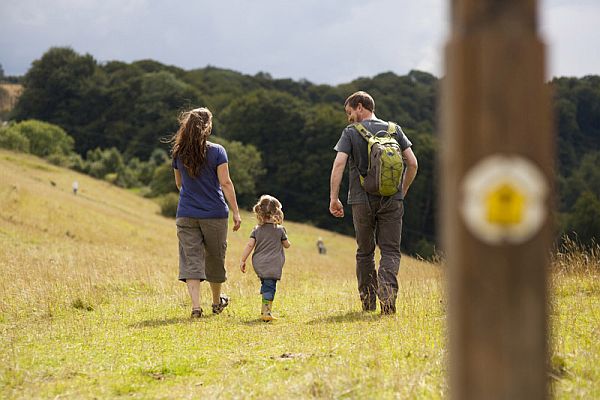
Keep routes shorter, add a village stop, and choose places with toilets, food and parking. The Water Park, Bourton and Broadway can work well.
Walking holidays
For multi-day walking, build around the Cotswold Way, luggage transfer, B&Bs, inns and realistic daily distances rather than trying to overpack the route.
The Cotswold Way
The Cotswold Way is the area’s best-known long-distance walk, running between Chipping Campden and Bath. It follows much of the Cotswold escarpment, linking viewpoints, market towns, wooded stretches and historic places.
You do not need to walk the whole route to enjoy it. Many visitors simply choose a section near Broadway, Winchcombe, Cleeve Hill, Painswick or Stroud. That gives you the landscape and views without committing to a full walking holiday.
For a first taste, choose a section with a clear village start, food stop and transport plan. The Cotswold Way can involve steep climbs, exposed ridges and muddy paths, so check the route carefully before setting off.
A simple Cotswold walking day plan
Pick your base
Choose a town or village with parking, food and an obvious route start. Broadway, Winchcombe, Bourton-on-the-Water, Painswick and Stroud are useful examples.
Match the route to your day
For a relaxed visit, a 2–5 mile circular walk often works better than an ambitious long-distance section.
Add a village or viewpoint
Build the walk around one memorable thing: a view, church, pub, garden, castle, market town or quiet village lane.
Check the practical bits
Look at parking, footpath closures, bus times, weather, daylight, livestock and how muddy the route may be.
Good places to stay or start a walk
For walking, base yourself somewhere with a choice of routes, places to eat and easy links to neighbouring villages.
Northern Cotswolds
Chipping Campden, Broadway, Stow-on-the-Wold and Bourton-on-the-Water are strong choices for classic village and ridge walks.
Escarpment and valleys
Winchcombe, Cleeve Hill, Painswick and Stroud work well for bigger views, commons, woodland and more varied terrain.
Southern and flatter options
Look around Tetbury, Castle Combe, Dursley, Wotton-under-Edge and the Cotswold Water Park for different walking styles.
Practical tips for walking in the Cotswolds
Use a route map
Footpaths are often well signed, but junctions, fields and woodland paths can still be confusing. Use a map, route guide or offline app.
Expect hills and mud
The Cotswolds looks gentle, but escarpment walks can be steep and exposed. After rain, fields and lanes can be very muddy.
Respect livestock and countryside
Keep dogs under close control, leave gates as you find them, avoid walking through crops and stick to marked public rights of way.
Plan food and transport
Some villages have limited opening hours. Check pubs, cafés, buses, taxis and parking before relying on them at the end of a walk.
Guided walks, walking festivals and walking holidays
The Cotswolds has a strong walking culture, from guided walks and local walking festivals to self-guided walking holidays and photography walks. Guided options can be useful if you want local stories, route confidence or a ready-made itinerary.
Walking festivals are especially good for exploring less obvious paths, because routes are often led by people who know the area well. Winchcombe and Stroud are particularly useful walking bases to look at when planning this kind of trip.
Plan more of your Cotswolds trip
Cotswold walks FAQs
What is the best walk in the Cotswolds?
The Cotswold Way is the best-known route, but the best walk for a day visitor is often a shorter circular walk from Broadway, Winchcombe, Bourton-on-the-Water, Painswick or Chipping Campden.
Are there easy walks in the Cotswolds?
Yes. Choose village loops, riverside routes, town trails, commons or flatter routes around the Cotswold Water Park. The escarpment walks are more demanding because of hills and exposed sections.
Can you walk part of the Cotswold Way?
Yes. Many visitors walk a short section rather than the full trail. Chipping Campden, Broadway, Winchcombe, Cleeve Hill, Painswick and Stroud are useful places to start researching sections.
What are good circular walks in the Cotswolds?
Look for circular routes from Broadway, Winchcombe, Bourton-on-the-Water, Painswick, Tetbury, Stroud and Chipping Campden. Circular walks are easier for parking and planning than point-to-point routes.
Are Cotswold walks dog-friendly?
Many are, but dogs usually need to be kept close or on a lead around livestock, roads, nesting birds and busy village areas. Check route notes before setting off.
Do you need a car for Cotswold walks?
A car makes many Cotswold walks easier, especially circular village routes. Some towns have bus or rail links, but public transport is limited in rural areas and should be checked carefully.
Where should I stay for a Cotswolds walking trip?
Good walking bases include Chipping Campden, Broadway, Winchcombe, Bourton-on-the-Water, Stow-on-the-Wold, Painswick and Stroud. Choose based on the routes you want and whether you need buses, taxis or luggage transfer.